Women's Wellness Guide

What Gelatin Reveals About Your Body's Changing Needs

A closer look at how gelatin-based traditions connect to collagen, satiety, and the way a woman’s body shifts over time — explained simply, without the noise.

Women's Wellness  ·  Natural Habits  ·  Educational Content  ·  Everyday Rituals

The Shifts Nobody Warns You About

By the time most women start asking questions, their body has already been sending signals for a while. Here’s what tends to change quietly in the background.

Rethinking Fullness and Satiety

Many women notice that meals which once felt satisfying no longer do. Some traditional diets built around gelatin-rich broths were designed around exactly this kind of fullness.

When Traditional Dieting Stops Making Sense

Calorie-counting approaches built decades ago didn't account for how a woman's body composition and hormones evolve — which is why the same old rules can stop working.

Collagen Production Slows Down

The body's natural collagen output isn't constant throughout life. It gradually declines, and that decline shows up in ways that go beyond appearance.

Lean Mass Doesn't Stay the Same

Muscle and lean tissue naturally shift over the years. Understanding this shift is often the missing piece in conversations about body composition.

Myths vs Facts: Metabolism and Weight

There’s a lot of noise around female metabolism. Here’s a simple breakdown of common claims versus what’s actually understood.

MYTH

Metabolism is fixed and can’t be influenced by daily habits.

FACT

Metabolic rate is affected by multiple factors including muscle mass, sleep, and consistency of routines — not a single fixed number.

MYTH

Cutting calories drastically is the fastest path to change.

FACT

Severe restriction often ignores satiety and nutrient needs, which is why many traditional approaches favored gradual, sustainable habits instead.

MYTH

Collagen only matters for skin appearance.

FACT

Collagen is a structural protein found throughout connective tissue, joints, and more — its role extends well beyond skin alone.

A Simple Way to Think About the Method

No complicated systems — just a practical framework for understanding how these habits fit together.

01

Step 1: Notice the Pattern

Start by paying attention to satiety, energy, and how your body responds to meals throughout the day.

02

Step 2: Understand the Ingredient

Learn where gelatin and collagen fit into traditional diets and why they were valued long before modern nutrition science existed.

03

Step 3: Build a Consistent Habit

Small, repeatable routines tend to matter more than dramatic short-term changes — consistency is the actual variable worth focusing on.

A Tradition Older Than Modern Diet Trends

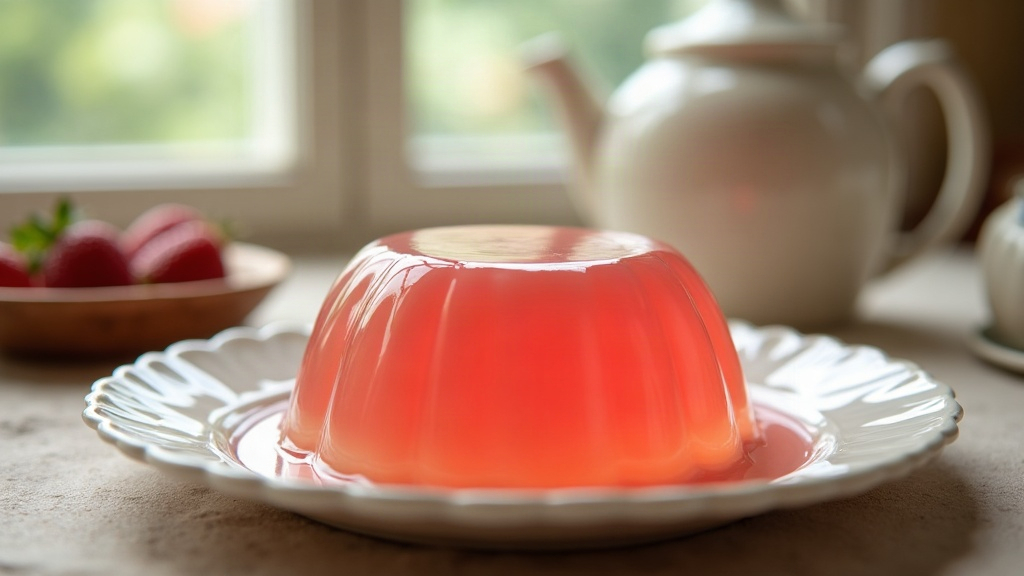
Long before supplements and powders, kitchens around the world simmered bones and connective tissue into rich broths, naturally producing gelatin. Grandmothers didn’t call it collagen — they called it good broth, something served when the body needed extra care. This wasn’t a trend; it was a kitchen staple passed down through generations, valued for its texture, its use in gelling desserts, and the simple belief that it supported the body in ways people couldn’t always explain scientifically.

Insight: Gelatin is simply cooked, hydrolyzed collagen — the same protein your body produces naturally, just made easier to digest through heat and time.

Signs Worth Paying Attention To

⚠️ Unusual Hunger Patterns

Feeling hungry again shortly after eating a full meal can be worth noticing over time.

⚠️ Changes in Skin Texture

Skin that feels less elastic or more prone to dryness is a common observation many women report.

⚠️ Joint Stiffness

Occasional stiffness, especially after periods of rest, is often linked to connective tissue changes.

⚠️ Shifts in Body Composition

Weight distribution changing even without changes in diet or activity is a pattern some women notice.

⚠️ Fluctuating Energy Levels

Energy dips in the afternoon or difficulty sustaining focus can be tied to broader lifestyle factors.

⚠️ Brittle or Slow-Growing Nails

Nails that break easily or grow slowly are sometimes mentioned alongside other connective tissue signs.

What Women Are Saying

I never thought about where gelatin came from until I started paying attention to my own habits. It changed how I think about meals.

Renata M.
Illustrative account
Learning about collagen and satiety together made a lot of things click for me. It's a simple concept once you understand it.
Camila S.
Illustrative account
This gave me a new perspective on old family recipes. I finally understood why my grandmother made broth the way she did.
Beatriz L.
Illustrative account

These testimonials reflect individual opinions and experiences. Individual results may vary, and these statements should not be interpreted as a guarantee of any outcome.

Frequently Asked Questions

Hydrolyzed gelatin is collagen that has been broken down through heat and processing, making it easier for the body to digest compared to raw collagen sources.

Gelatin is derived from collagen. Essentially, it’s cooked collagen — the structure changes slightly, but it originates from the same protein.

Collagen output naturally changes over time as part of normal biological processes, which is why it’s often discussed in the context of aging.

No. This content is educational and focuses on understanding habits, satiety, and body composition — it does not promise or guarantee weight loss or any specific outcome.

No. This content is for educational purposes only and is not intended to diagnose, treat, cure, or prevent any disease. Always consult a healthcare professional.

It’s commonly derived from simmering connective tissue, bones, or skin over long periods, a technique used in many culinary traditions worldwide.

Sustainable routines tend to be easier to maintain over time compared to short-term drastic changes, which is why this content emphasizes gradual habits.

Curious to Learn More?

Watch the full video to understand how gelatin, collagen, and everyday habits connect — explained in a simple, practical way.

Advertising Disclosure: This page contains sponsored content and affiliate links. We may receive compensation if you click on or make purchases through links provided on this page. This helps support our content at no additional cost to you.

Content Disclaimer: This content is for educational purposes only and is not intended as medical advice. Statements have not been evaluated by the Food and Drug Administration. This information is not intended to diagnose, treat, cure, or prevent any disease. Always consult a qualified healthcare professional before making changes to your diet, lifestyle, or wellness routine.

Results Disclaimer: Individual results may vary. Testimonials and examples used are exceptional results and do not guarantee that you will achieve the same or similar outcomes. These experiences are individual and are not a guarantee of any specific result.

© 2026 · All Rights Reserved · thelivingcanvasusa.com · /contact/